
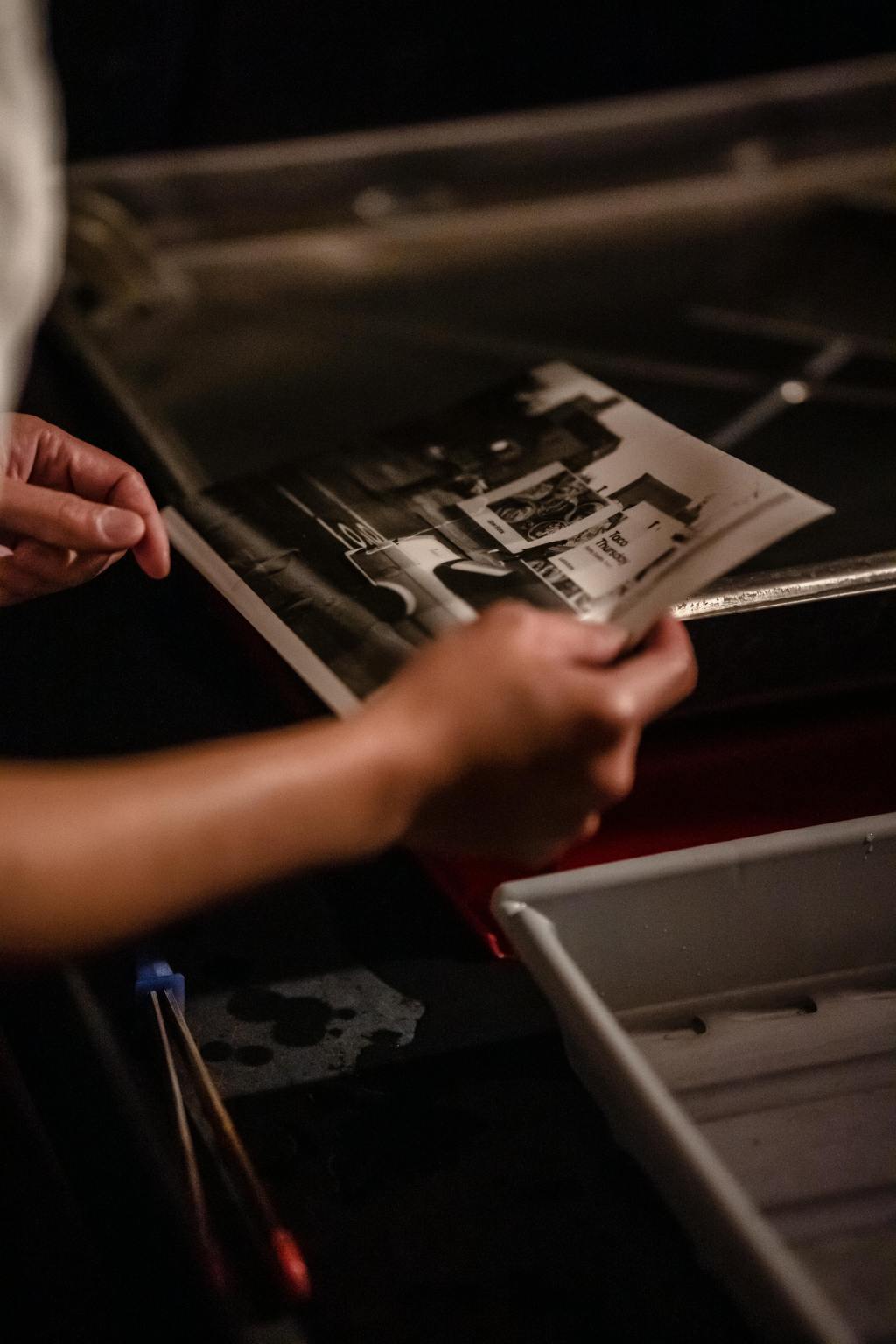
Understanding Printmaking and Fine Art Prints
Printmaking refers to a range of artistic techniques used to create images through a printing process. These printed artworks—known as prints—can appear quite similar at first glance, whether they’re engravings, etchings, lithographs, or screen prints. But look closer, and you’ll notice distinct differences in how each piece is made.
If you’re considering purchasing a print, it’s helpful to understand the method behind it. Each printing technique has its own history, style, and finish. Here’s a quick guide to the six main types of fine art printmaking:
- Relief printing (c. 1400s): like woodcuts, where the image is carved into a surface and inked.
- Intaglio printing (c. 1500s): such as etching, where ink fills grooves cut into a plate.
- Planographic printing (c. 1800s): lithographs are made by drawing with oil on a flat stone or plate.
- Stencil printing (c. 1925): screen printing uses mesh to transfer ink onto paper or fabric.
- Photographic printing (c. 1850s): includes methods like photogravure, using light-sensitive processes.
- Digital printing (c. 1960s onward): such as giclée and laser prints, created with high-resolution digital technology.
Modern printmaking offers artists and collectors a diverse, exciting world of possibilities—each with its own character and craftsmanship.
In today’s art world, all six traditional printmaking techniques are still valued and widely used. Lithography and screen printing are the most popular right now, but etching is also making a comeback. Computer-based printing is used less for now, but that may change soon.
It’s interesting to note that while many of these older methods have been replaced in commercial printing, they’re still very much alive in the art world. Each technique offers its own unique style and creative possibilities, which artists continue to explore.
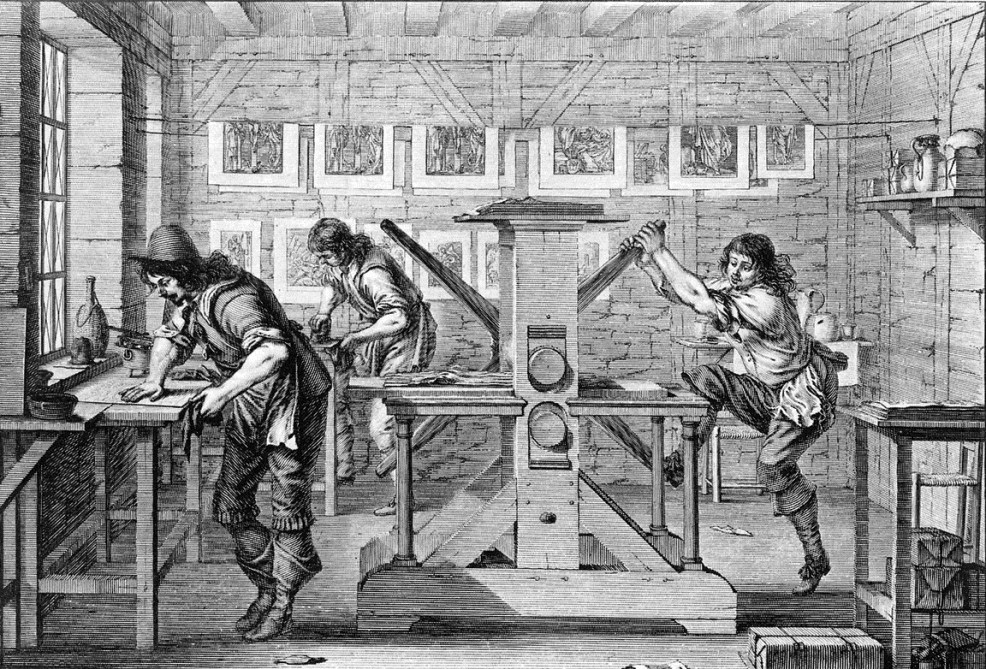
You might see an old printing press on display in a museum, while just down the street, the same type of press is being used by an artist in their studio.
 FinePrint Studio